Across the world, the most liveable cities protect places where nothing is bought or sold. Parks, rivers, and open land act as public health infrastructure, spaces that allow cities to breathe. Brisbane has long promoted itself as such a city: a subtropical river capital shaped by green space. Yet this ideal has always existed in tension with growth, land value, and now global ambition.
At the centre of this tension lies Victoria Park, Barrambin, a rare inner-city green space of deep Indigenous significance and shared civic memory. After decades as a golf course, the land was reclaimed as Brisbane’s long-promised “Central Park,” with millions invested in its green and public recreation areas. In the lead-up to the Olympic Games, that promise fractures as political leaders reverse commitments and back a 14-story stadium precinct on the site.
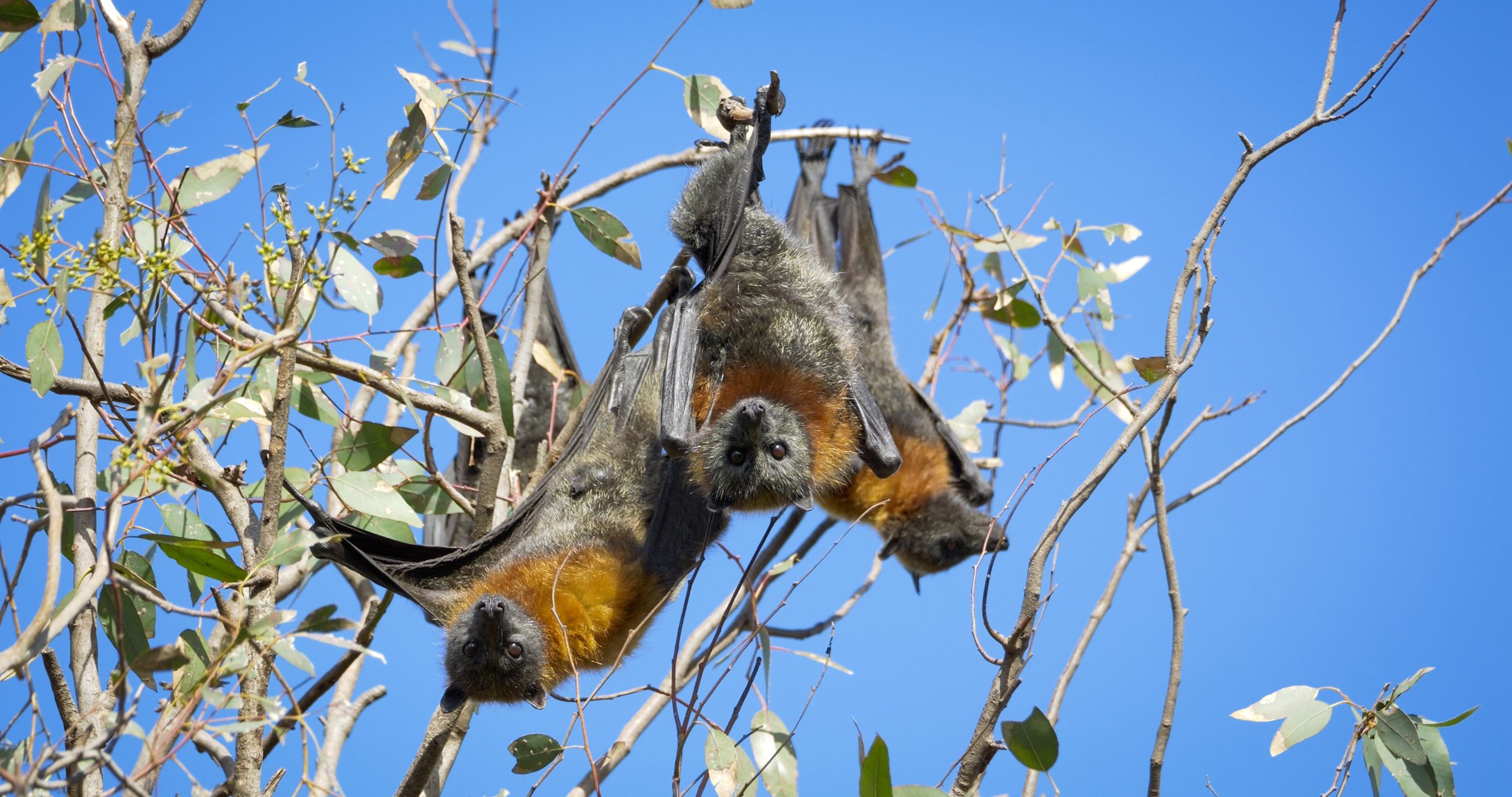
The proposal will concrete over 70% of the “Lungs of the City”, replacing it with two stadiums, athletic warm up track and extensive transport and entertainment infrastructure. Similar conflicts have unfolded across the city from Woolloongabba to Birkdale, as parks, homes, heritage sites, and koala habitat are placed under pressure to make way for the 2032 Games.
Viewing Brisbane within a global Olympic context, ‘The Price of Gold’ examines how mega-events operate under exceptional political and legal conditions that prioritise certainty of delivery over local impact. As such, the film sits within the tradition of essay cinema, to explore the city as a lived and contested space, where history, power, and public imagination collide.
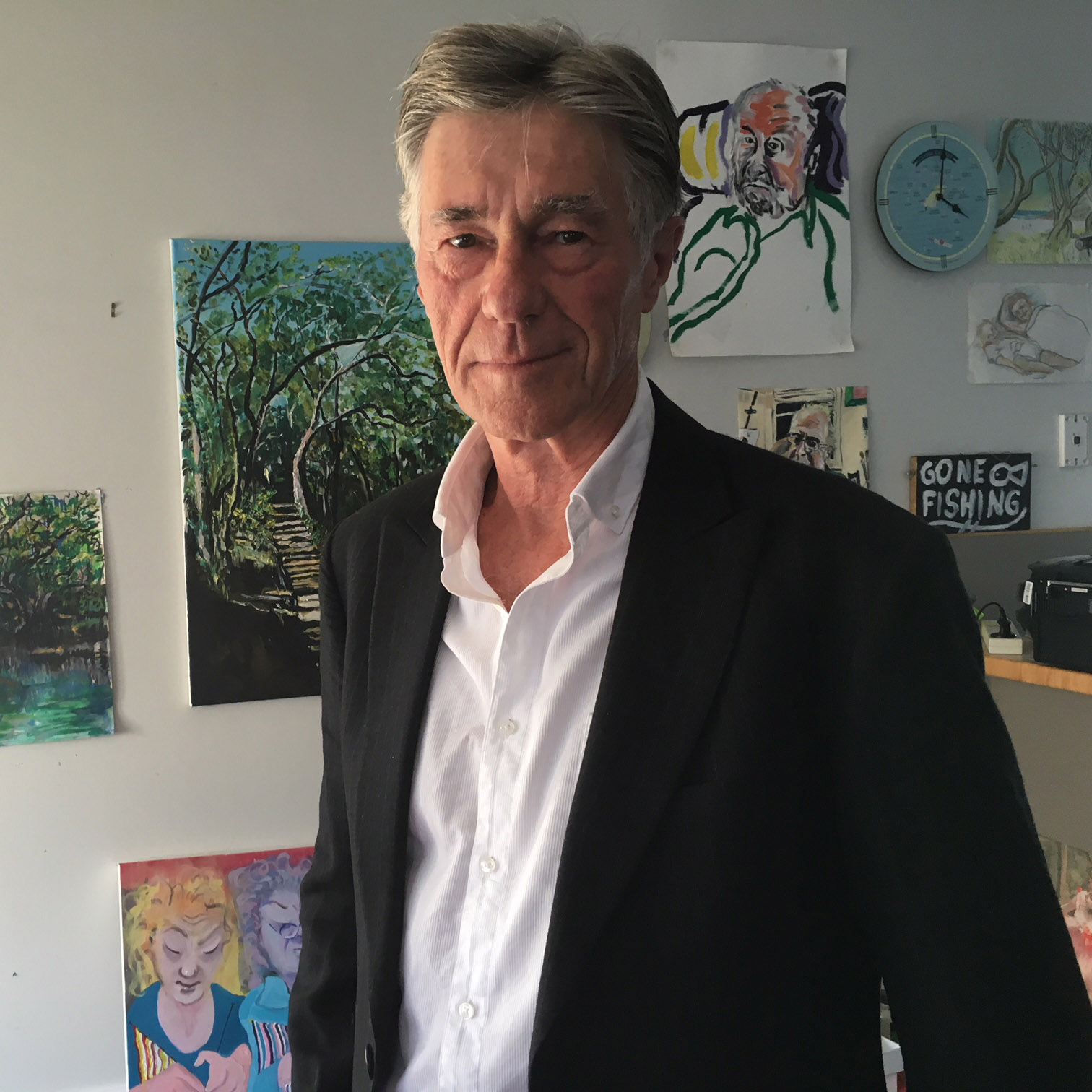
Jim Stevens is an Australian documentary filmmaker, whose career spans five decades. His work explores the intersection of art, environment, and social change, with a focus on long-form, character-driven storytelling.
He was co-producer and camera on Home on the Range (Best Documentary, Sydney & Melbourne Film Festivals 1982) and has since created internationally recognised films including Bilby Brothers and Meet the Wallers. His work has screened widely and received awards at major national and international festivals.
Jim has been a long-time educator and collaborator with public broadcasters SBS and ABC TV. He is known for a patient, immersive approach — qualities that underpin a sustained contribution to Australian documentary.