Toxic Waters of War is an Australian-Solomon Islands documentary uncovering an environmental crisis just 1,500 km from Australia in a region central to our security, fisheries and shared Pacific ocean systems.
During World War II, Solomon Islands was a decisive battlefield. Allied forces fought to stop Japan’s southward advance. The fighting left bombs, munitions and shipwrecks across land and sea, leaving contamination embedded across communities, coastlines and food systems.
Off Guadalcanal, the most populated island, lies Iron Bottom Sound, named for iron wreckage on the seabed where more than 50 vessels were sunk during WWII (including HMAS Canberra).
They’re now breaking down, leaching toxic heavy metals and explosive compounds into marine ecosystems. New Queensland research shows these substances in water, sediments and marine life, including shellfish. Health clinics report skin disease, gastrointestinal illness and impacts on infants. More than half of known waste sites lie within one kilometre of the coast.
Climate change is accelerating this deterioration through warming seas, erosion and extreme weather.
For years, Solomon Islanders have raised concerns, but little action followed.
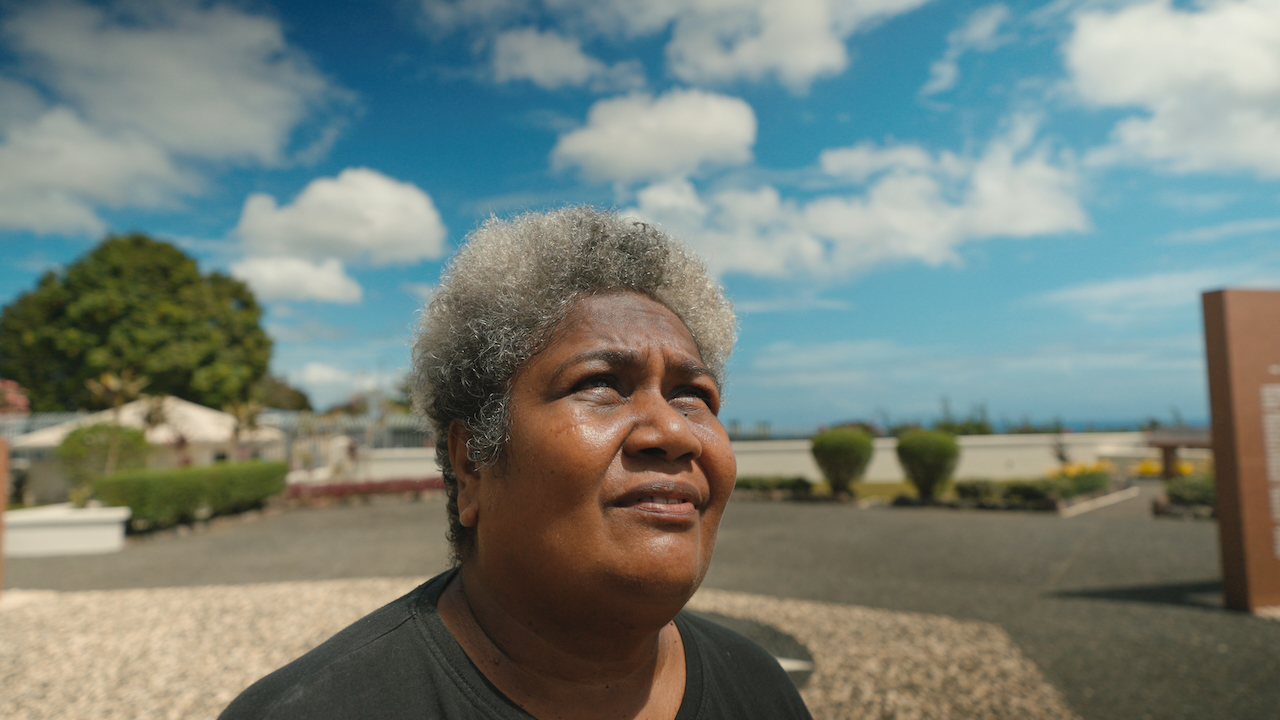
Journalist and community leader Dorothy Wickham has been one of those voices. She leads an investigation into the crisis across her country, speaking with fishers, market vendors, families and health workers, tracing how this threat enters the food people catch, sell and eat and what it means for their health, livelihoods and future.
Dr Stacey Pizzino (University of Queensland), whose UNDP and Japanese Government-supported research underpins these findings, tests water, soil and marine life.
Frances Deve, a Solomon Islands historian, guides families from overseas into remote terrain to recover soldiers killed during the war, exposing the imbalance between care for the dead and risk to the living.
The film asks: what responsibility remains – and who will act?