Planet Fungi Impact Update – 2026
Planet Fungi was founded to help reveal one of the most overlooked kingdoms of life — fungi — through cinematic storytelling, photography, science communication and community engagement. In 2026, our impact work continues to grow well beyond film production, expanding into conservation advocacy, public education, citizen science and community-led environmental outcomes.
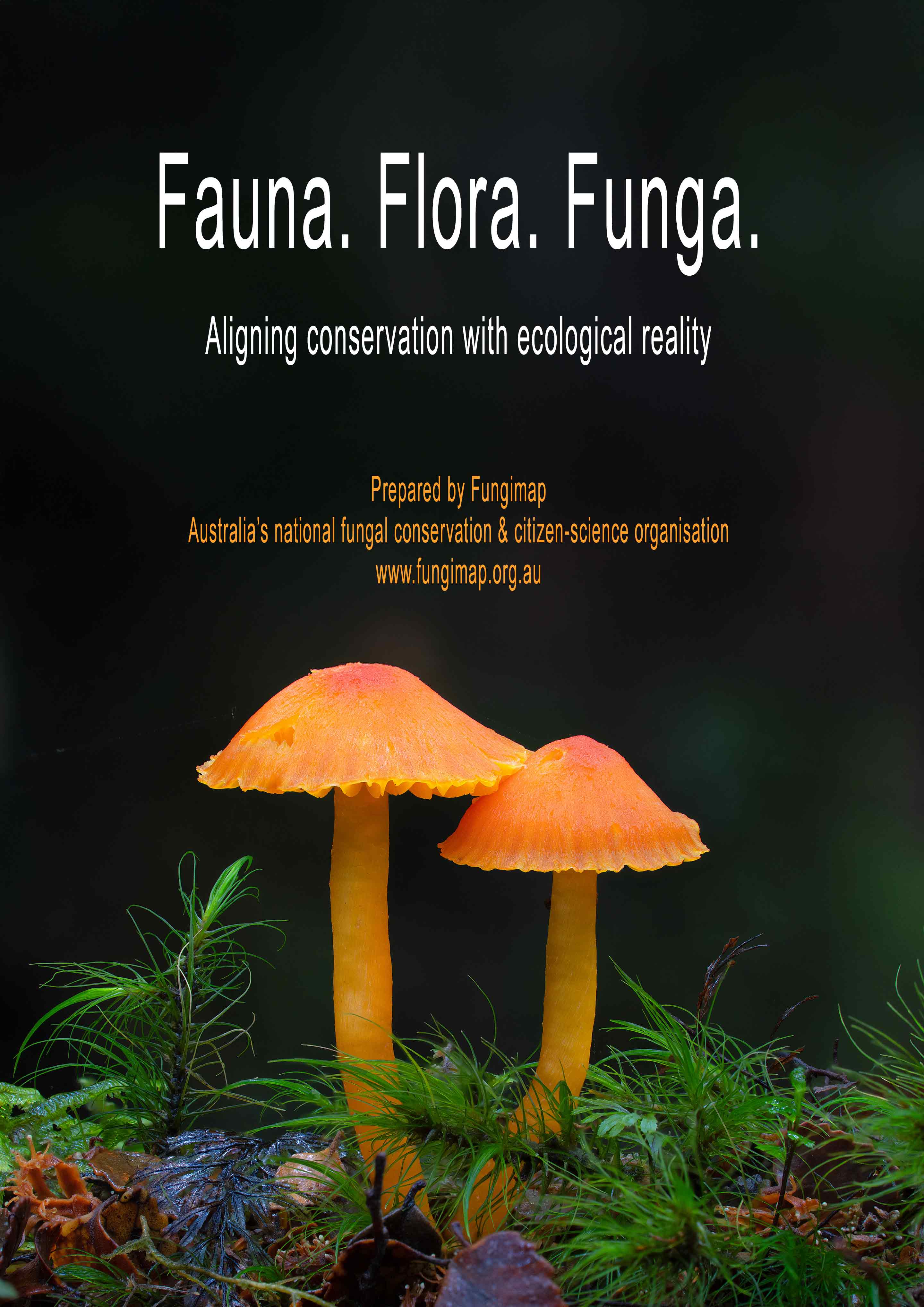
Advocating for the “3Fs” – Fauna, Flora and Funga
A major focus of our current impact campaign is supporting the growing international movement to explicitly recognise Funga (fungi) alongside Fauna and Flora in biodiversity and environmental policy.
The 3Fs framework – Fauna, Flora and Funga – reflects the reality that ecosystems do not function solely through plants and animals. Fungi underpin soil health, forest regeneration, nutrient cycling, carbon storage and climate resilience, yet they remain largely invisible in many environmental frameworks and public narratives.
Working alongside Fungimap, Australia’s national fungal conservation and citizen-science organisation, Planet Fungi has been helping raise awareness of the 3Fs movement through presentations, media, public talks and advocacy with conservation organisations and governments. The campaign is part of a growing international shift led globally by the Fungi Foundation.
Our current work includes:
* engaging with conservation organisations and policymakers,
* helping develop public-facing educational materials,
* supporting media awareness around fungi and biodiversity policy, and
* encouraging communities to advocate for the inclusion of fungi in environmental language and conservation frameworks.
People who want to get involved can download and share the 3Fs explainer through Fungimap:
https://fungimap.org.au
*Nature’s Bounty – Zambia
In 2026 we released Nature’s Bounty: The Fungi Hunters of the Zambian Miombo**, a documentary developed in partnership with a community who live in Zambia’s Miombo woodlands.
The project explores the extraordinary relationship between people, forests and wild mushrooms, and highlights the cultural and economic importance of sustainable mushroom harvesting and trading for villagers in Chiundaponde. The film aims to support awareness of the value of intact fungal ecosystems, assist in finding trading partners, while contributing to conversations around sustainable livelihoods, food security and forest conservation.
The project grew from Planet Fungi’s broader interest in how fungi intersect with community resilience, biodiversity and environmental stewardship.
https://planetfungi.movie
Primaeval Forest – A Fungal Quest (in post-production)
Planet Fungi is currently in post-production on Primaeval Forest – A Fungal Quest, a new documentary exploring one of the last remaining wilderness forests in the European Alps: the extraordinary Rothwald forest in Austria.
The film follows scientists, conservationists and fungi researchers working within this ancient ecosystem while examining the ecological importance — and fragility — of Europe’s remaining forests. It also explores the hidden fungal networks that sustain these forests and the pressures threatening their long-term survival.
The documentary is scheduled for release in 2027.
https://planetfungi.movie
Planet Fungi – A Photographer’s Foray
In 2026, we also released our major coffee-table book, Planet Fungi – A Photographer’s Foray, in collaboration with co-author, mycologist Dr Tom May.
Published by CSIRO Publishing, the book combines exquisite fungal photography with behind-the-scenes stories from years spent filming and photographing fungi in some of the world’s most remote forests and wilderness regions.
The book explores:
* the visual techniques behind our fungi photography and time-lapse work,
* expeditions into remote fungal habitats,
* the challenges of fungal taxonomy and species identification,
* collaborations with mycologists and citizen scientists, and
* the extraordinary diversity and ecological importance of fungi.
The book aims to inspire wonder while also communicating the urgent need for greater fungal research, conservation and recognition.
https://www.publish.csiro.au/book/8190/
How people can get involved
One of the most powerful ways people can contribute is by helping document fungal diversity.
The Great Aussie Fungi Hunt, coordinated by Fungimap, is Australia’s national fungal citizen-science event. Each year, thousands of Australians photograph and upload observations of fungi from across the country on the iNaturalist platform. These observations contribute to scientific knowledge, species mapping, and awareness of fungal conservation.
The project helps scientists better understand:
* where fungi occur,
* how fungal communities change over time,
* the effects of climate and rainfall patterns, and
* which species may require conservation attention.
Participation is open to everyone — from professional mycologists to families walking in local parks.
Find out more:
https://fungimap.org.au/great-aussie-fungi-hunt/
If you wish to support our impact campaign, you can donate here on Documentary Australia.
Through film, photography, storytelling, citizen science and advocacy, Planet Fungi continues to work toward a future where fungi are recognised not as a fringe curiosity, but as a fundamental part of healthy ecosystems and life on Earth.



 - Copy.jpg)