ISSUE AREA: INDIGENOUS, HUMAN RIGHTS & SOCIAL JUSTICE
Most Australians believe that the country’s Afghan community is largely the product of migration spurred by two decades of US intervention in the Middle East. In fact, Afghan descendants have been in Australia since the 1860s, working as ‘cameleers’, or camel handlers responsible for shipping freight across the outback. The famous train through Australia’s red centre, The Ghan, was named a century ago after these cameleers.
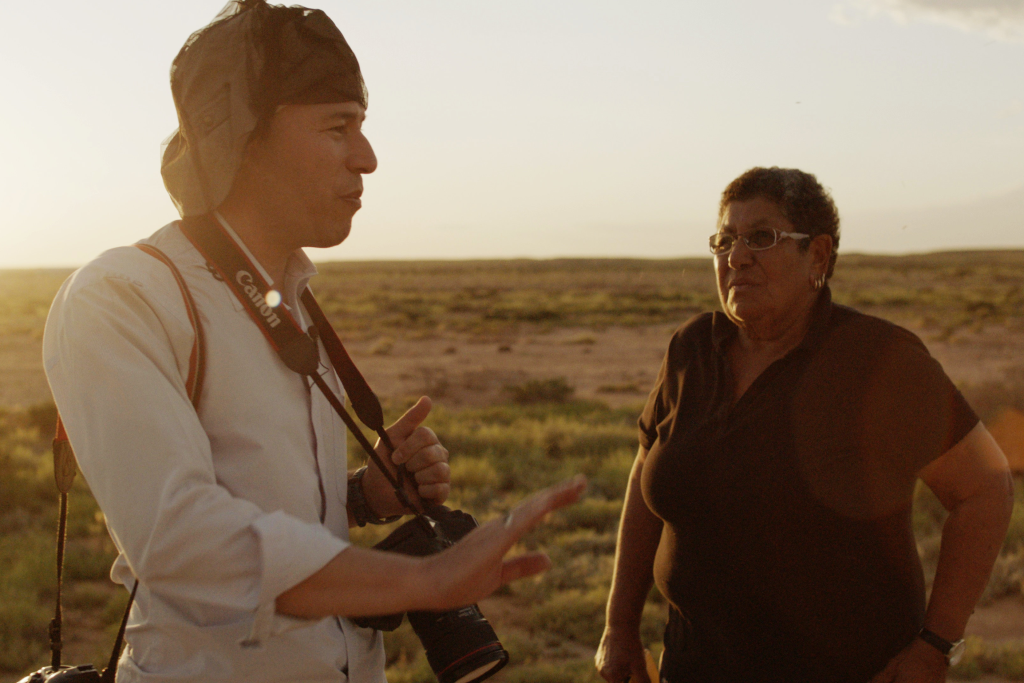
The depth of Afghan-Australian ties is the subject of Watandar, My Countryman, a documentary produced by former Afghan refugee Muzafar Ali, who has been photographing Afghan descendants – including Afghan-Aboriginal descendants of cameleers – since arriving in the country in 2015. The film has already raised awareness about the nation-shaping contribution of Australia’s 50,000-strong Afghan diaspora, including at its sold-out premiere at the Adelaide Film Festival in October 2022, and Ali recently being named the Fred Hollows Foundation’s 2022 Humanitarian of the Year.
Andrea Michaels MP, Minister for Small and Family Business in South Australia where the Ghan originated, and herself a former refugee from war-torn Cyprus, praised the film for exploring the largely overlooked Afghan-Aboriginal community: descendants of Afghan cameleers and Aboriginal Australians. She spoke in Parliament for over five minutes about the film and the important role it plays for the local community.
“I had tears in my eyes from the first 30 seconds.”
– Andrea Michaels MP
“To have those stories interact, and have that identity being explored through this documentary, particularly for the new Afghans who are looking for their identity in Australia, is a really important story to tell.”