
PUBLISHED04 Sep 2026
Exploring Documentary Distribution and Pathways for Social Impact
Insights from the Documentary Australia masterclass held in June 2026
In a recent Documentary Australia masterclass, CEO Dr Mitzi Goldman and Media Stockade producer and business affairs manager Chris Kamen explored the current distribution landscape and what it means for Australian documentary filmmakers.
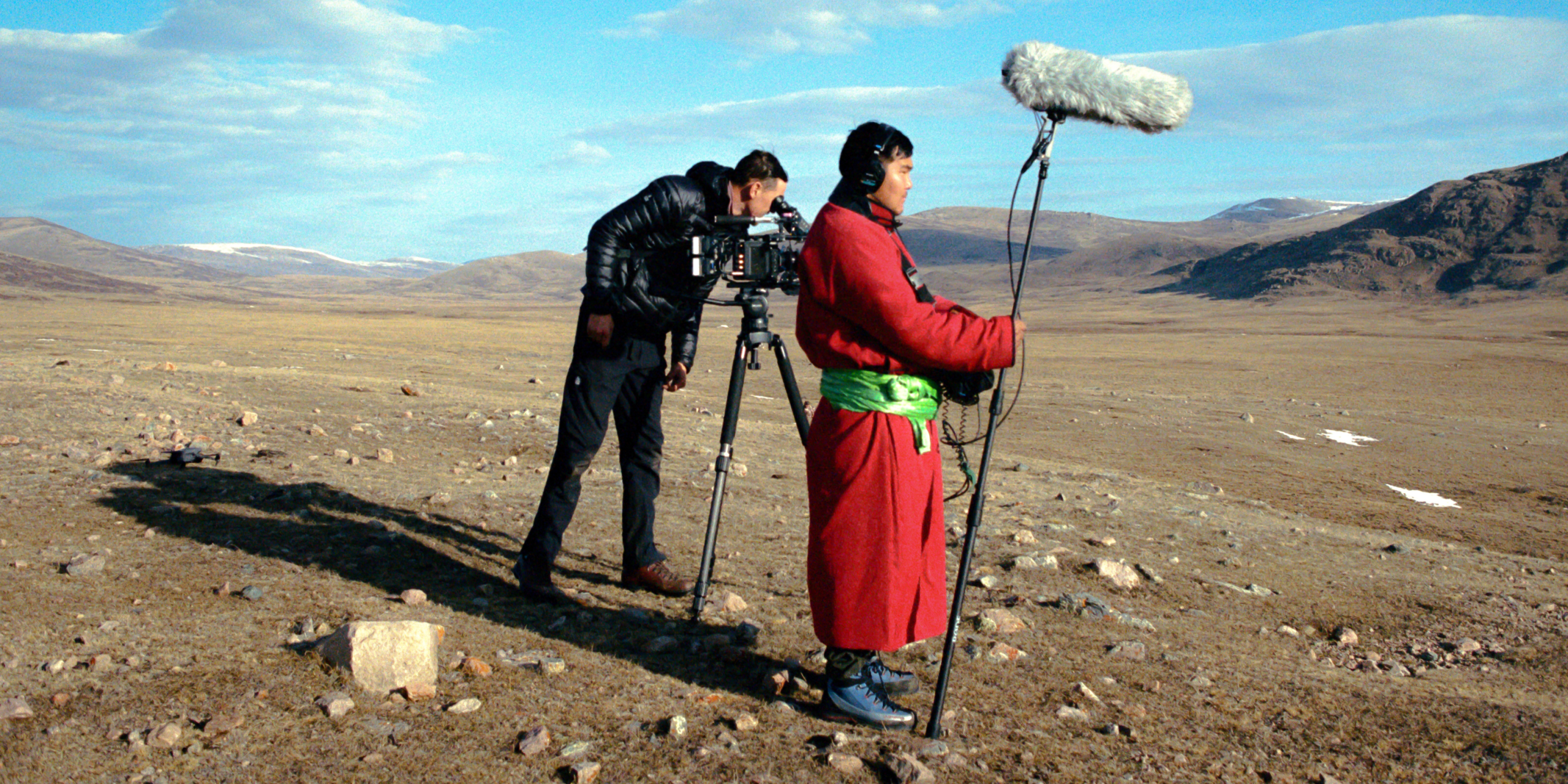
Drawing on Chris’s experience across production, distribution, marketing, impact strategy and business affairs, alongside case studies including Franklin (2022), Iron Winter (2025) and Small Is Beautiful (2015), the session examined the challenges and opportunities facing social impact documentaries.
A changing landscape
Mitzi opened the discussion by placing Australian documentary distribution within a broader international context. While Australia benefits from comparatively strong government support for production, traditional distribution pathways are becoming less reliable. Internationally, documentaries are finding distribution takes longer, with broadcast pre-sales declining significantly, and streamers commissioning and acquiring fewer titles than in previous years.
At the same time, the traditional pipeline from festival to theatrical release, then to broadcast and non-theatrical distribution, is no longer linear. Release windows are increasingly overlapping, while territory-based licensing and geo-blocking are becoming less central. As Mitzi observed, documentary distribution now operates within a platform-agnostic global ecosystem.
Mitzi also highlighted that broadcast television, theatrical exhibition and transactional VOD are shrinking, while streaming and online platforms, particularly YouTube and TikTok, continue to grow.
What does this mean for Australian filmmakers?
Despite these challenges, Mitzi identified opportunities emerging from the shift, “We have global audience reach rather than just our territory,” she said. “There are multiple distribution options, and there are much lower barriers to entry because you can kind of DIY these days.”
Chris also shared how these global changes are playing out locally. He explained that historically, Australian documentary filmmakers worked within a largely domestic ecosystem supported by broadcasters such as ABC and SBS. However, since COVID, audience behaviour has shifted towards streaming, while broadcasters’ commissioning models have changed significantly.
“Audiences have largely moved to streaming, and it’s dominated by the big global streamers. YouTube is now the world’s biggest streaming platform,” Chris said.
While platforms such as Netflix remain influential, he noted that they “don’t seem to be interested in commissioning Australian docos,” making traditional commissioning pathways increasingly difficult as the industry shifts from a local to a more global environment.
He described what he called the “erosion of the middle”. As streamers increasingly focus on projects with global appeal, filmmakers are often caught between low-budget creator-led work and high-end premium productions capable of competing internationally. The mid-budget market that once supported many Australian documentary films has become increasingly difficult to sustain.
These shifts are also affecting theatrical distribution. While documentary festivals remain strong and continue to attract audiences, successful festival runs no longer guarantee successful theatrical releases. Chris explains, “I don’t think festivals have ever been stronger. There are so many of them, and they’re really doing well. And people love going out as a cultural event to go out, get out of their house and go watch something at the Melbourne Film Festival, the Sydney Film Festival. But what doesn’t seem to be translating anymore is how that then goes into a theatrical run”.
It always starts with the story
A recurring theme throughout the masterclass was that before thinking about financing and distribution strategy, filmmakers should begin with thinking about the story they are telling.
Mitzi encouraged filmmakers to think carefully about the scale of the story they are trying to tell and whether budgets align with the project’s needs and audience opportunities. “It all starts with the story that you want to tell. Right? And then how that story requires a certain budget in order to tell it. And so therefore we need to raise this much money. So where are we going to find that budget? Which avenues do we take? I’m always asking, does this really need to be a $2 million story, or could it be made for $500,000?”
Distribution and financing go hand in hand
Throughout the discussion, both speakers stressed that creative, financial and distribution decisions are deeply interconnected. The story you are telling, the audience a film is intended to reach, the budget required to tell the story, and the financing strategy all influence how a documentary makes it out into the world.
With this in mind, Chris shared advice he received while developing Franklin from Chris Oliver-Taylor, who was CEO at Matchbox Pictures at the time; he said, “No matter how good your idea is, your producer’s core job is to figure out how you’re going to get this thing made.”
Chris stressed that distribution strategy starts at the financing stage, not after a film is completed. He said, “You can’t think about distribution in isolation. Distribution is intimately connected with how you finance a project in the first place.”
Chris outlined three broad financing models currently operating in Australia:
Commission-led model
- In this model, a broadcaster or streamer contributes funding at the beginning of the project and receives rights, editorial input and influence over the release strategy. Chris also distinguished between commissions, pre-sales and acquisitions. A commission is substantial upfront funding that helps finance production, while a pre-sale contributes a smaller amount of finance before completion. An acquisition generally occurs after a film is completed.
- Because a commissioner is funding the production, they often receive exclusivity periods, approval rights and holdbacks that affect how and when a film can be released elsewhere.
Investment-led model
- Under this model, filmmakers assemble finance through grants, philanthropy, crowdfunding, private investment, state agencies and the Producer Offset before taking a completed film to market. Distribution is not predetermined by a commissioning partner, giving filmmakers greater flexibility over release pathways.
Creator economy model
- The creator economy offers a new alternative to the traditional filmmaking business models. Here, creators commit to building a brand by regularly publishing videos on platforms such as YouTube. By cultivating audiences and multiple revenue streams over time, creators can build viable businesses that generate more consistent cash flow compared to other models.
Chris illustrated these models on two films that he produced, Franklin (2022) and Small is Beautiful (2015).
Franklin (2022) (investment-led model)
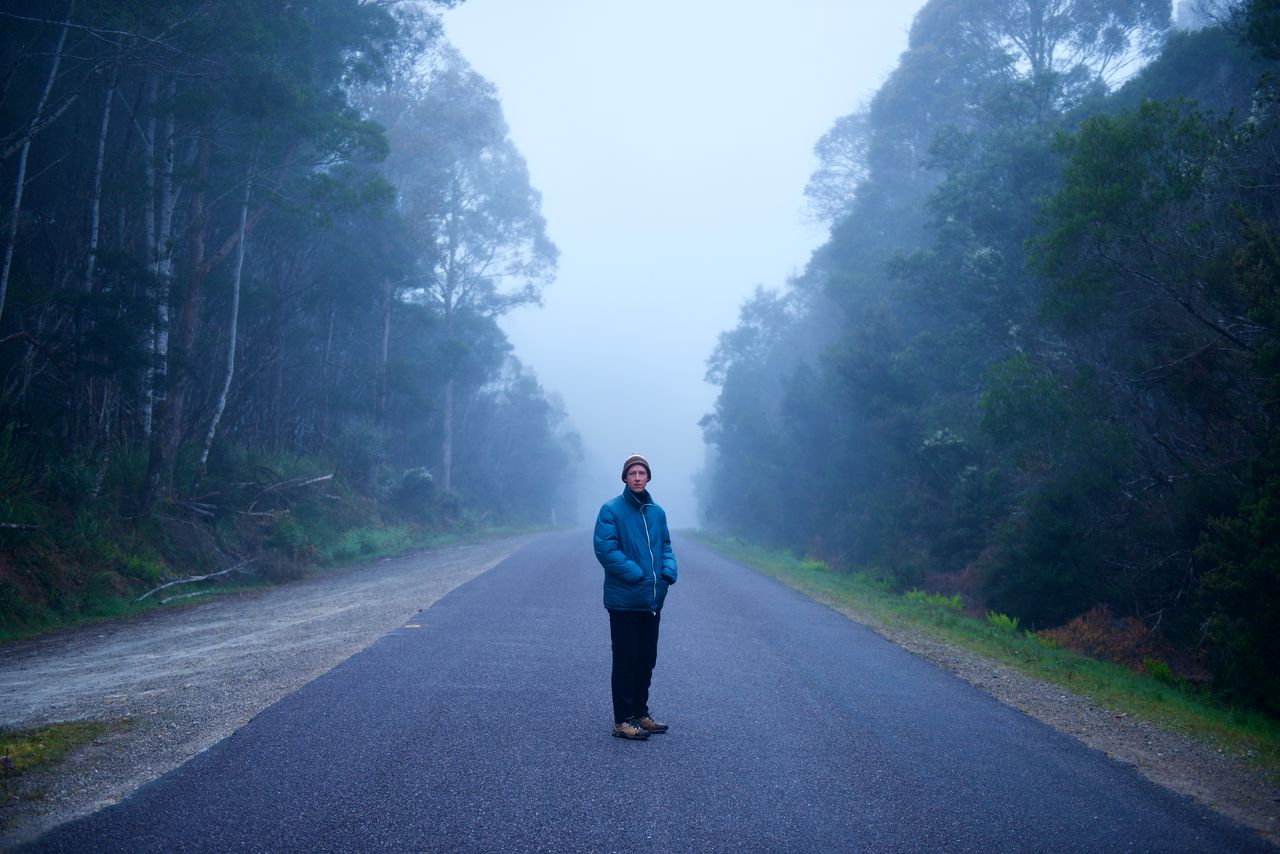
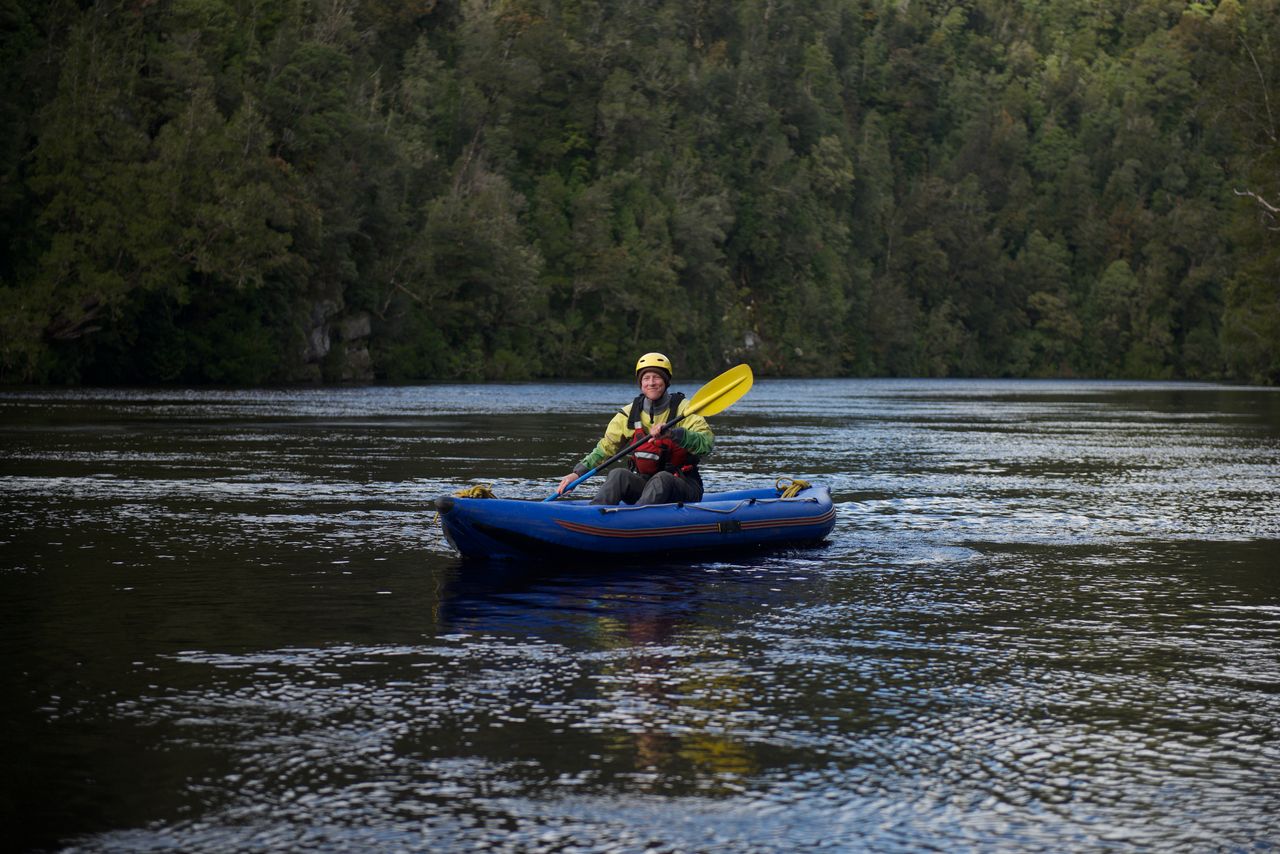
Using Franklin as a case study, Chris illustrated how an investment-led finance plan can shape a film’s distribution pathway. Conceived as a feature documentary from the outset, the project combined a distributor advance, Screen Australia funding, state agency support, crowdfunding, philanthropy and producer reinvestment. Securing a theatrical distributor early helped the team pursue a theatrical-first release strategy, which unlocked access to the Producer Offset and provided a clear pathway to audiences.
Reflecting on the experience, Chris noted that distribution planning began long before the film was completed. In seeking support from Screen Australia’s Producer Program, the team needed to demonstrate a convincing “pathway to audience”, encompassing festival, theatrical and community distribution. The film also benefited from support through the MIFF Premiere Fund, reinforcing the role festivals can play as both financing and launch partners.
Small Is Beautiful (2015) (creator economy model)
Using Small Is Beautiful as a case study, Chris illustrated a lower-budget, filmmaker-led approach to financing and distribution. Made for around $100,000, the documentary began when director Jeremy Beasley discovered the emerging tiny house movement while travelling in the United States. Rather than relying on a broadcaster or distributor from the outset, Jeremy tested audience interest by creating a short film, launching a small crowdfunding campaign and interpreting its success as evidence that the story had an audience. Encouraged by that engagement, he largely self-financed the feature. Without a broadcaster, distributor or commissioning partner attached, the filmmakers focused on building their own audience throughout production. By the time the film was completed, they had built a small but engaged audience, giving them a viable pathway to self-distribute the film. This enabled them to avoid the trap of being forced into accepting a underwhelming offer from a questionable distributor.
They organised their own pop-up screenings, experimented with cinema-on-demand platforms, self-released through VOD services. Eventually, the film finished recouping its investment thanks to a modest Netflix sale, demonstrating how a low-budget, creator-led model can offer both flexibility and a realistic pathway to profitability.
Building audiences from the beginning
Audience building emerged as another important consideration. Chris encouraged filmmakers to start identifying and building audiences during development, rather than waiting until a film is complete. Crowdfunding campaigns, mailing lists, social media communities and audience engagement activities can help filmmakers test ideas, prove demand and strengthen finance applications.
As he noted, if filmmakers cannot identify who a project is for, it becomes difficult to explain how they will reach that audience. Funding agencies increasingly want to understand not just the story being told, but also the intended audience and the filmmaker’s strategy for reaching them. Chris stated, “If you don’t know who you’re making the thing for, how the heck are you going to reach them?”
Mitzi added that filmmaker-led distribution allows creators to build valuable long-term assets, including audience databases, supporter networks and community partnerships. These assets can strengthen future projects while providing filmmakers with greater independence and flexibility if filmmakers choose to self-distribute.
Distribution pathways for social impact
The discussion also explored how funding and distribution rights and decisions need to be considered together, particularly for social impact documentaries designed to reach communities, schools or be used by advocacy partners in campaigns beyond an initial release.
Mitzi also highlighted the important role philanthropy increasingly plays in documentary production, noting that financing choices can shape a project’s impact ambitions from the outset. Unlike traditional investment, philanthropic funding does not require a financial return, but it often brings an expectation that filmmakers will have a clear impact strategy and demonstrate that the film is reaching the people and communities it was made for.
For this reason, Chris encouraged filmmakers to pay close attention to the rights they may need after the first release window, particularly non-theatrical rights. These rights cover screenings that sit outside the conventional cinema booking system, such as one-off community screenings, partner-hosted events, Q&A screenings, school or organisational screenings, and impact screenings. They may still take place in a cinema, but unlike a standard theatrical release, they are usually arranged as individual events rather than as part of a distributor-booked cinema season.
For impact documentaries, retaining or negotiating access to these rights can be crucial. Community and impact screenings are often where a film’s social change strategy begins; they allow filmmakers and partners to bring targeted audiences together, build word of mouth, create discussion around an issue, and connect the film directly with the communities it was made to reach. If a project has philanthropic support or a defined impact strategy, filmmakers need enough control over these screenings to ensure the film can be used meaningfully beyond its commercial release.
Chris also emphasised that these conversations should happen collaboratively with distributors. Impact campaigns can benefit distributors by generating awareness, goodwill and word of mouth ahead of, or alongside, a theatrical release. In some cases, filmmakers may negotiate special preview screenings, partner events or Q&A screenings in the weeks leading up to release, giving impact partners a meaningful role while also helping build momentum for the film’s wider distribution.
Beyond the initial release, these rights also protect the long tail of impact. Once a film has completed its theatrical, broadcast or streaming windows, there can still be significant value in bringing people together around the issue it explores. As Chris explained, impact screenings can continue to use the film as a convening tool, encouraging discussion and action long after the first release has passed. Educational rights are also important to consider, as they can affect whether the film can continue to reach classrooms, institutions and community settings over time.
While acknowledging the challenges facing the sector, the masterclass ultimately delivered an optimistic message – documentary filmmakers who think holistically about story, audience, finance, rights and impact can build sustainable pathways to audiences in a rapidly evolving global landscape. In closing, Mitzi and Chris reflected on the need for filmmakers to think strategically about distribution from the earliest stages of development.
Key lessons
- Think about distribution at the financing stage – Financing can shape your rights, release windows, editorial control and impact strategy.
- Start with the story – Ask whether your documentary belongs with a broadcaster, in cinemas, on YouTube, through schools, in communities, or across several pathways.
- Be clear on what success means – Revenue, reach, impact, prestige, education use, community change – whatever your goal, you may require different strategies.
- Build audience while making the film – Crowdfunding, newsletters, partner outreach, social media campaigns and early supporters can prove demand and become valuable long-term distribution assets.
- Protect the rights that matter for impact – Pay close attention to non-theatrical, educational, collecting society and impact rights before signing a distribution deal.
- Partnerships are important – Organisations, community groups and education networks can provide credibility, access, advocacy and long-term relevance.
- Choose distributors as collaborators – A distributor should understand the film’s audience and goals – negotiate firmly but remember it is a partnership.
- Consider hybrid release plans – Filmmakers now have more opportunities than ever to combine festivals, theatrical releases, streamers, community screenings, impact campaigns and direct digital engagement to reach audiences.
- Plan for the long tail – Impact campaigns can extend a documentary’s life well beyond its initial release. Social and environmental documentaries can remain useful for years when partners, rights and impact plans are set up from the start.
Find out more
Check Documentary Australia’s resources and impact masterclasses: https://documentaryaustralia.com.au/resources/
Connect with Chris’s work and the work of Media Stockade and their YouTube Channel:
Find out more about the films Chris has worked on and new films coming up:
Coming soon:
Documentary Distribution & Audience Pathways for Social Impact masterclass was presented by Documentary Australia and supported by Screen NSW.